


🎒 What is LKG (Lower Kindergarten)?
LKG (Lower Kindergarten) is an essential stage in the early childhood education system, typically designed for children aged 4 to 5 years. It bridges the gap between Nursery and Upper Kindergarten (UKG), gradually introducing more structured academic content while continuing to emphasize holistic development.
🎯 Objectives of LKG Education
The main goals of LKG are to:
- Build a strong foundation in literacy and numeracy
- Promote language fluency and communication skills
- Enhance social, emotional, and motor skills
- Prepare children for the academic and behavioral expectations of formal school
📘 Core Learning Areas in LKG
- Language Development (English and/or Regional Language)
- Reciting and recognizing letters (A–Z, a–z)
- Introduction to phonics and beginning sounds
- Vocabulary building (names of animals, colors, fruits, etc.)
- Writing capital and small letters
- Picture reading and storytelling
- Mathematics
- Number recognition (1–50 or beyond)
- Counting, sequencing, matching, and comparisons (big/small, more/less)
- Shapes, patterns, and sizes
- Introduction to addition and subtraction through visuals
- Environmental Awareness
- Basic knowledge of family, seasons, plants, animals, transport, etc.
- Understanding of good habits and hygiene
- Safety rules and manners
- Cognitive and Motor Skills
- Sorting, pattern-making, puzzles
- Drawing, coloring, tracing, paper folding
- Activities to improve hand-eye coordination
- Creative Activities
- Music, dance, drama, art & craft
- Free play, building blocks, pretend play
- Social & Emotional Development
- Group work, sharing, turn-taking
- Expressing feelings appropriately
- Understanding right and wrong
🏫 Ideal LKG Classroom Environment
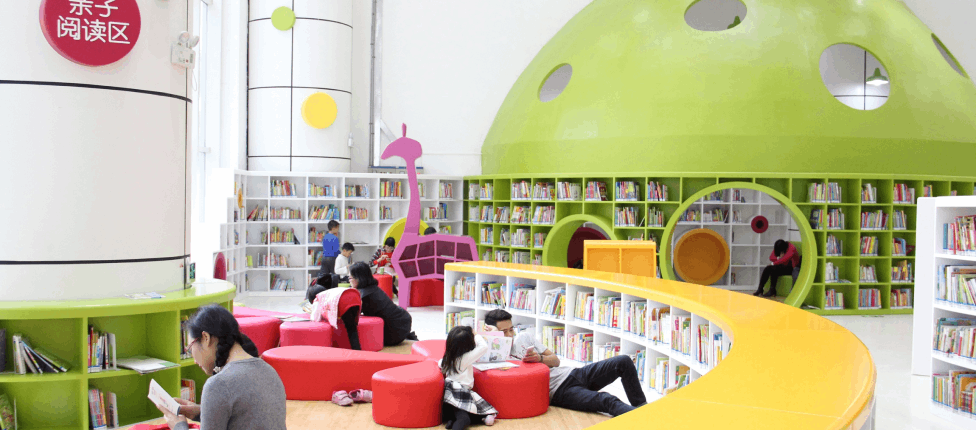
- Colorful, interactive, and child-friendly spaces
- Charts, toys, and learning aids tailored for visual and kinesthetic learners
- Trained teachers with a nurturing approach
- Balance between classroom instruction and playful activities
✅ Benefits of LKG Education
- Establishes academic readiness for UKG and primary school
- Boosts concentration, memory, and communication
- Builds confidence and social adaptability
- Encourages creativity and problem-solving